
How Importers Can Audit a Rhinestone Factory Before Ordering**
How Importers Can Audit a Rhinestone Factory Before Ordering
A practical pre-order checklist for reviewing factory capability, production control, quality systems, documentation, samples, MOQ, lead time and long-term supply continuity.
For importers, choosing a rhinestone factory is not simply a matter of comparing catalogue prices. Before placing a wholesale order, you need to know who actually manufactures the product, how production is controlled, how quality is inspected and whether the supplier can reproduce the approved sample consistently.
A proper factory audit does not always require a physical factory visit. Importers can begin with a structured review of production capability, quality-control procedures, product documentation, sample approval, commercial terms and supply continuity. The goal is to identify what can be verified before money and inventory are committed.
This guide provides a practical rhinestone factory audit checklist for importers, distributors and sourcing teams. It also explains which questions to ask during a pre-order meeting and how to connect the approved sample with future bulk production.

Start with Production Capability
Confirm Who Actually Manufactures the Product
One of the first questions an importer should ask is whether the company manufactures the rhinestones in-house or sources them from another supplier. A trading company may still be able to provide a suitable product, but the buyer needs to understand where production takes place and who controls quality.
Ask which processes are handled internally and which processes are outsourced. For customized rhinestones, this becomes particularly important because product development, mold making, plating, setting and final assembly may involve different production stages.
Review the Factory's Production Scope
The factory's product range should match the requirements of your project. Rhinestone components may differ in material, construction, shape, size, surface treatment and application.
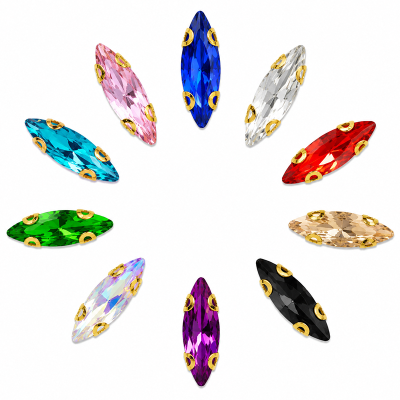
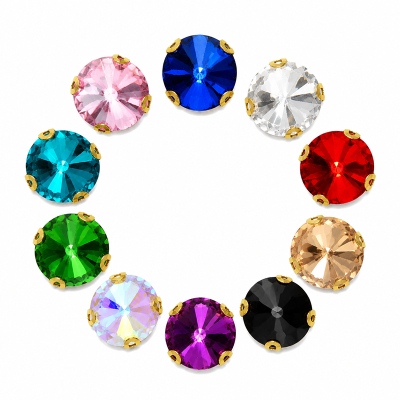
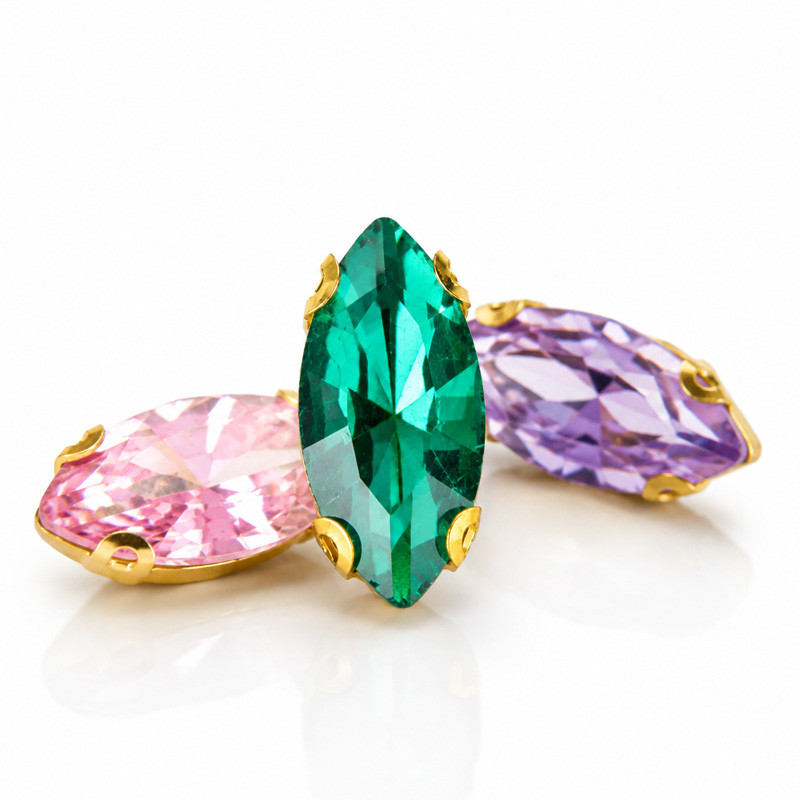
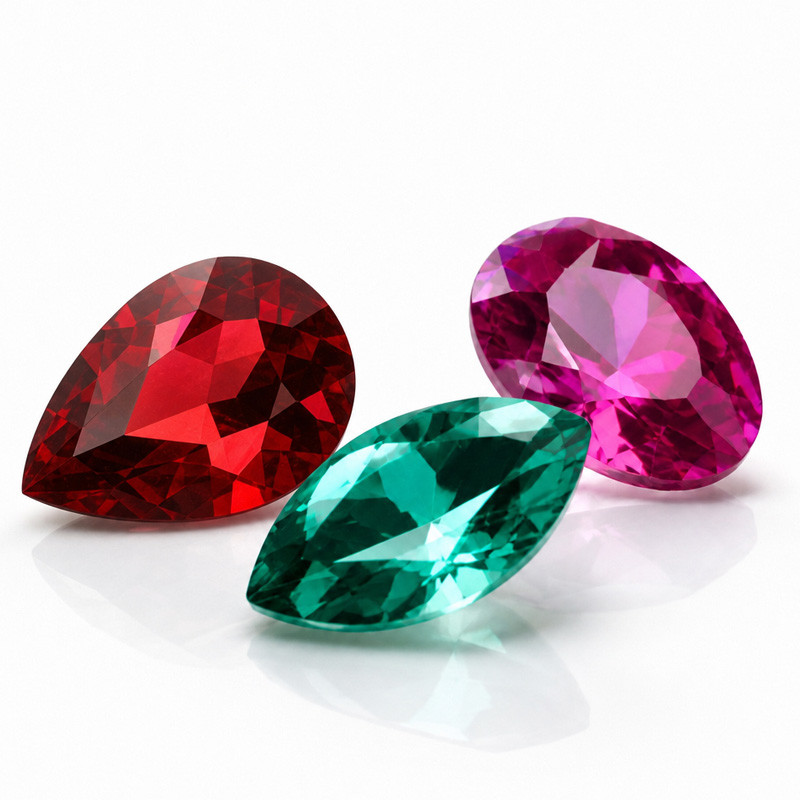
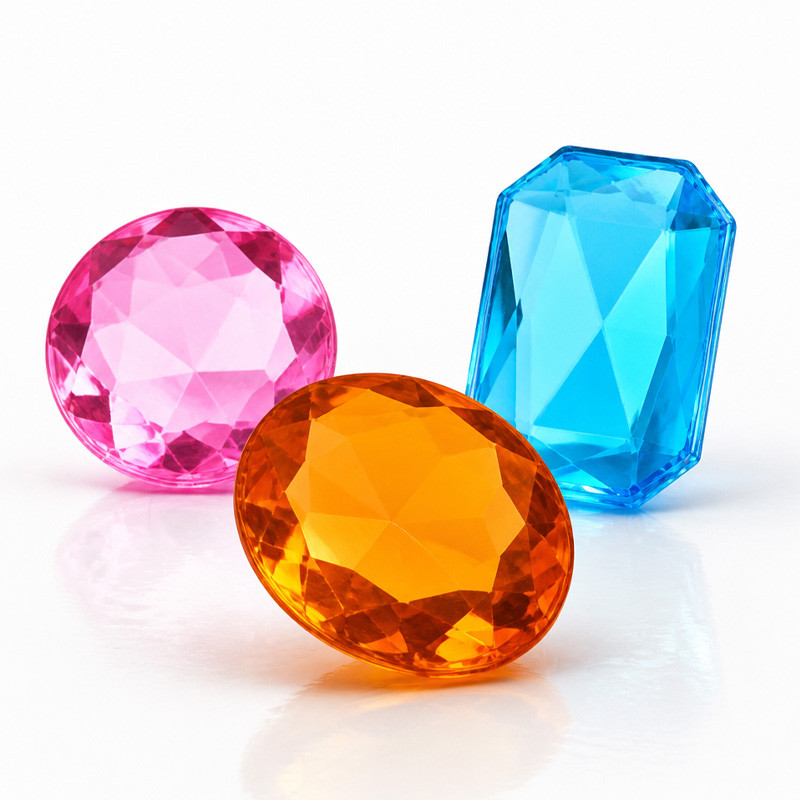
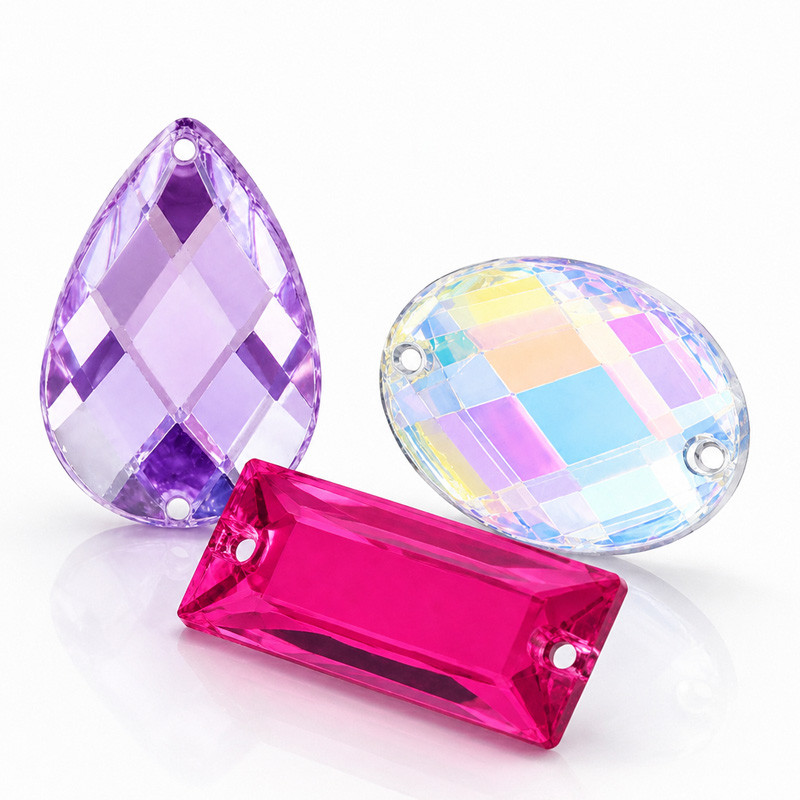
Depending on the project, an importer may need claw rhinestones, glass rhinestones, acrylic or resin components, pearls, cubic zirconia, flatback stones, sew-on components or other jewelry accessory parts. The supplier should be able to explain which production capability applies to the specific SKU rather than presenting all products as interchangeable.
- What rhinestone materials are manufactured?
- Which product structures are produced in-house?
- Are molds and tooling developed internally?
- Which finishing or plating processes are available?
- Can the same factory support standard and customized products?
Look Beyond Company-Level Capacity Claims
Factory size and production figures can provide useful background, but they should not be treated as a guarantee for a specific order. Importers should connect any capacity claim to the actual product, production line, material, finish and delivery schedule required for their project.
Audit Quality Control and Documentation
Ask How Quality Is Checked
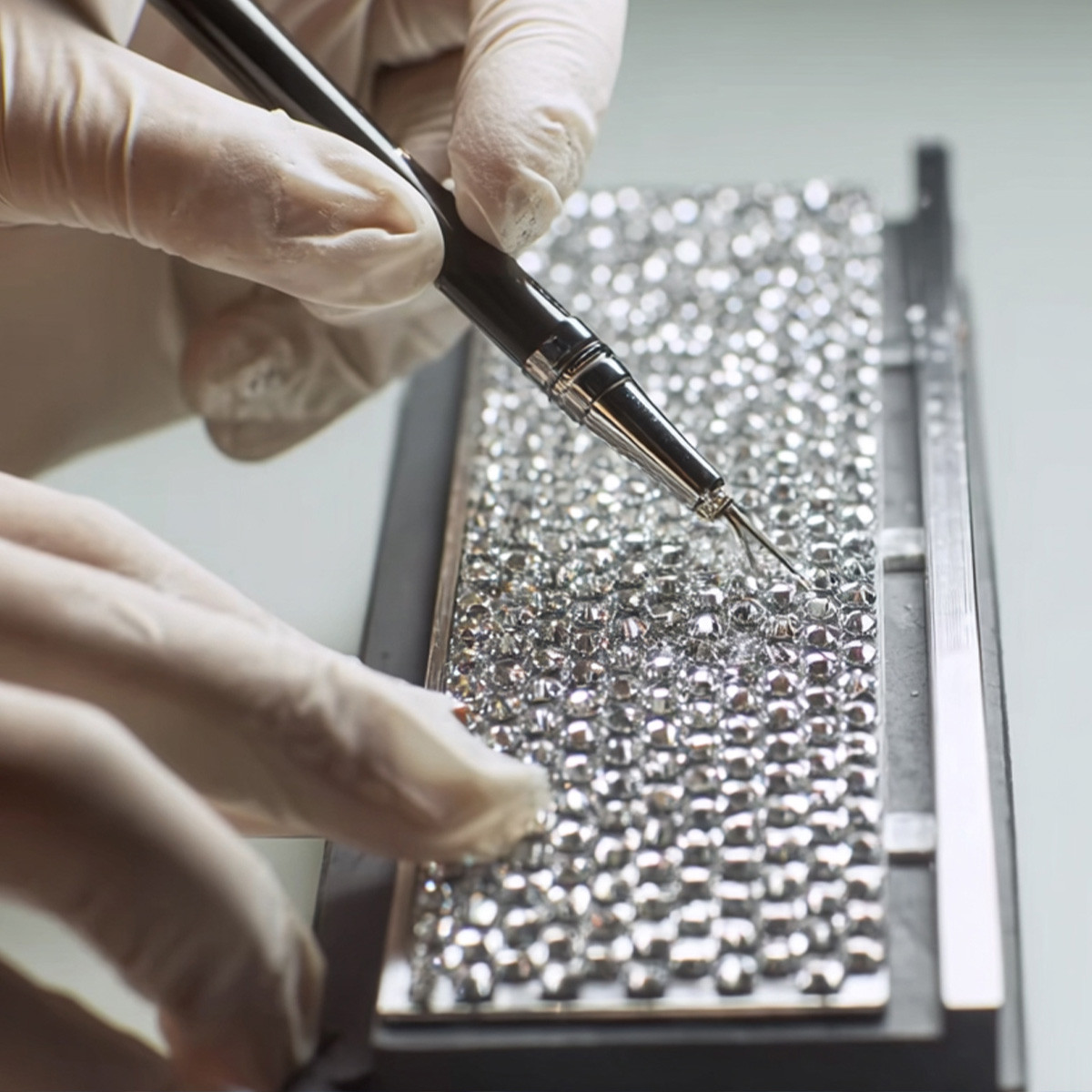
A factory audit should focus on the process behind the finished product. Instead of asking only whether the supplier provides “high-quality rhinestones,” ask how quality is checked at different stages of production.
Depending on the product, quality-control checks may cover incoming materials, dimensions, color, shape, surface finish, backing, holes, plating, construction and packaging.
- How are incoming materials inspected?
- How are dimensions and tolerances checked?
- How is color consistency controlled between batches?
- How are surface defects identified?
- How are finished products inspected before packing?
- Are inspection records retained for repeat orders?
Check Sample-to-Bulk Controls
The approved sample should become a reference point for bulk production. Importers should keep records of the agreed material, color, size, finish, construction and packaging method.
For repeat orders, the supplier should be able to identify the production specification that was previously approved. This creates a clearer reference when comparing a new production batch with the original sample.
Review Compliance Documents for the Specific SKU
Documentation requirements depend on the destination market and product application. Where applicable, importers may need to review SGS reports, REACH or RoHS documentation, or lead-free and nickel-free information.
Do not treat a certificate or test report as automatically applicable to every product. Confirm the exact product scope, test date, issuing organization and relevance to the SKU being purchased.
Audit Product Development, Samples and Commercial Terms
Test the Factory's Customization Process
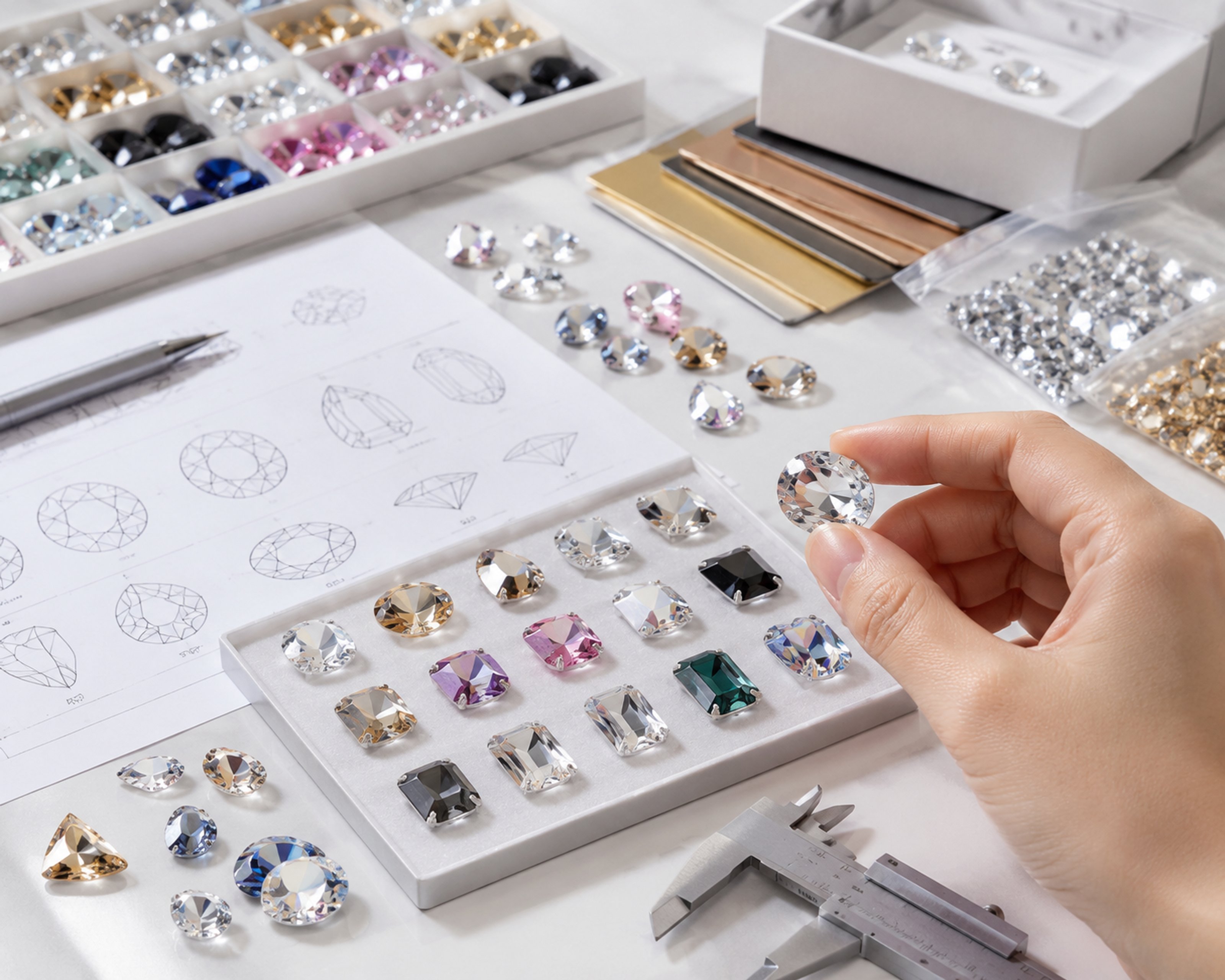
If your order involves a standard SKU, the audit may focus on stock, price, packaging and delivery. If you need a custom shape, color, finish, setting or branded packaging, you should also review the factory's development process.
Ask whether the manufacturer can work from a CAD drawing, physical sample or design brief. Confirm how the design is reviewed, whether mold development is required, how samples are approved and which costs apply before mass production.
G&J promotes OEM and ODM support for shapes, materials, plating and settings. The actual development process, MOQ, cost and lead time should be confirmed according to the specific project.
Request Samples Before the Bulk Order
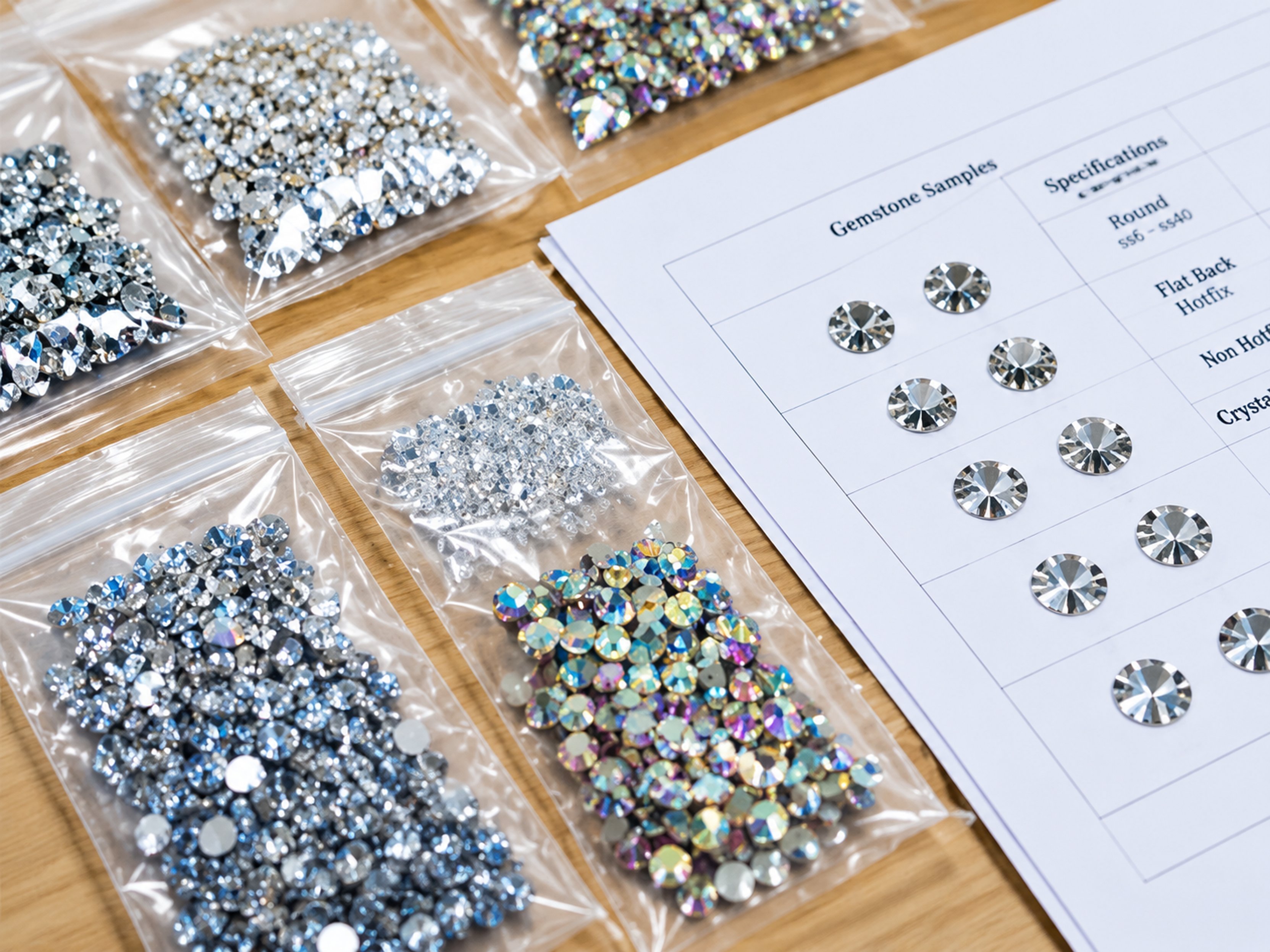
Samples allow importers to evaluate the physical product before committing to a larger purchase. The sample review should cover more than appearance.
- Material and overall construction;
- Dimensions and weight;
- Color and surface finish;
- Claw, prong, flatback, sew-on or other construction;
- Hole position and attachment method where applicable;
- Packaging and handling;
- Suitability for the intended jewelry, garment, bag or footwear application.
Separate Standard Products from Custom Products
Standard products and customized projects may have different commercial conditions. An importer should request separate information for MOQ, sample cost, mold cost, production lead time, packaging and shipment.
Before approving a quotation, make sure the supplier understands the exact material, shape, size, color, finish, quantity, packaging and destination market. A written product brief helps reduce misunderstandings between the quotation stage and production.
Use a Five-Step Factory Audit Process
A practical factory audit can be organized into five stages. Each stage creates a documented checkpoint before a wholesale order is placed.
Factory Audit Checklist for Rhinestone Buyers
Before placing an order, use the following checklist to structure the supplier meeting and collect the information needed for your purchasing file.
Pre-Order Factory Audit Checklist
- Do you manufacture this rhinestone product in-house or source it from another supplier?
- Where is the production facility located, and which processes are handled internally?
- What materials, shapes, sizes, colors and finishes are available for this product?
- Can you work from a CAD drawing, physical sample or detailed product brief?
- What quality-control procedures are used for incoming materials and finished products?
- How do you control color, dimensions, surface finish and construction consistency between batches?
- Can I receive samples before placing the bulk order?
- How are sample approval and production specifications recorded?
- What inspection records or quality information can be provided for the specific SKU?
- Can you provide applicable SGS, REACH, RoHS, lead-free or nickel-free documentation?
- What is the MOQ for a standard SKU and for a customized project?
- What are the sample, mold and production lead times?
- Can you support private-label packaging, mixed SKU orders and repeat replenishment?
- How will the approved sample be used as a reference during bulk production?
- What information should be confirmed before the purchase order is released?
Need a Rhinestone Factory Information Pack?
A supplier review is easier when production capability, quality control, product specifications, samples, documentation and commercial terms are discussed together.
G&J combines rhinestone and jewelry accessory manufacturing with wholesale and OEM/ODM capabilities. Share your product brief, target quantity and destination market to discuss the requirements for your project.
REQUEST A FACTORY REVIEWFrequently Asked Questions
What should importers check before ordering from a rhinestone factory?
How can I tell whether a rhinestone supplier is a factory or a trading company?
Why should I request a sample before placing a bulk rhinestone order?
What documents should I request during a rhinestone factory audit?
How should importers verify quality consistency between samples and bulk orders?
What should I ask about MOQ and lead time?
Can G&J support custom rhinestone development?
Can a factory audit be completed without visiting the factory?
Sources and Verification Notes
[1] G&J About Us – company information, product scope, history and manufacturing background.
[2] G&J Official Website – product categories, factory capability, warehouse, stock, applications and customer information.
[3] G&J Wholesale Rhinestones – product categories, applications, customization and buyer FAQ reference.
Verification note: Company-level figures and service descriptions should not be treated as a guarantee for every SKU. Before publication, confirm the current wording and supporting documents for factory capability, MOQ, prices, stock, lead time, certifications, test reports, customer cases and product-specific performance claims.